Revolutionizing Elder Care: A Call to Compassionate Service
Revolutionizing Elder Care: A Call to Compassionate Service
In a world where the aging population is rapidly growing, we find ourselves at a crossroads. The traditional models of elder care are being challenged, and a new paradigm is emerging - one that prioritizes dignity, family, and genuine human connection. This shift isn't just about changing policies or building new facilities; it's about reimagining what it means to care for our elders in their twilight years.
The current landscape of elder care often leaves much to be desired. Many of us have walked into facilities that feel sterile and impersonal, where the scent of disinfectant hangs heavy in the air, and the residents seem more like patients than people. We've heard stories of overworked staff, rigid schedules, and a lack of personalized attention. But what if there was another way?
Enter the concept of family-based care homes. This revolutionary approach to elder care brings seniors into real homes, integrating them into family life and providing a level of care that goes beyond mere physical assistance. It's about creating an environment where our elders can thrive, not just survive.
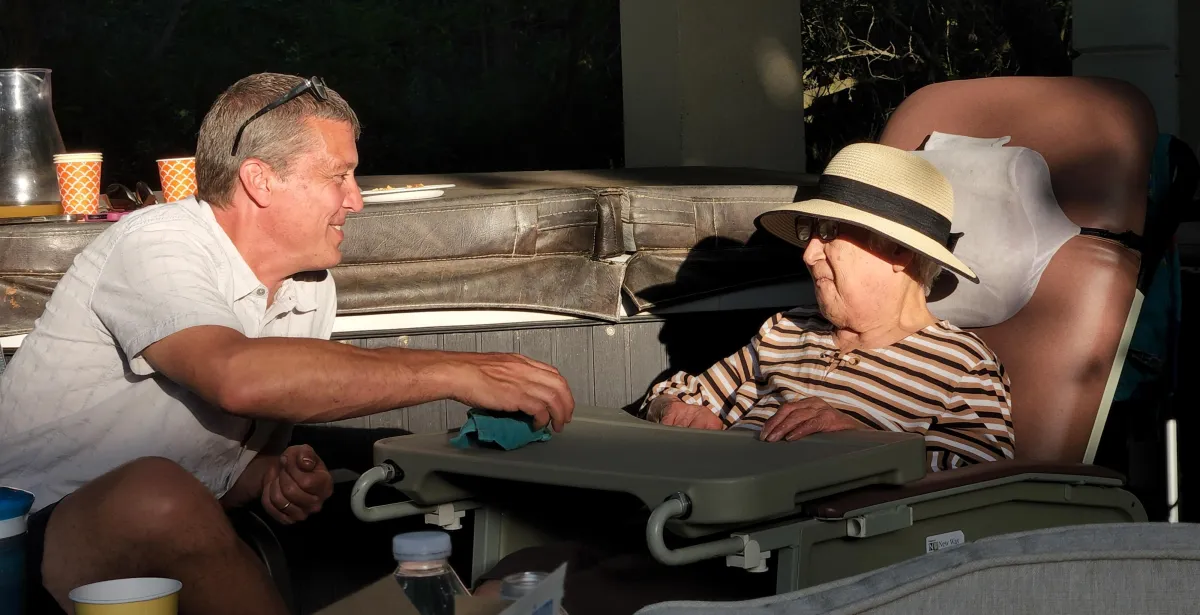
Consider the story of Margie, a woman who had suffered multiple falls in a traditional care facility due to regulations that prohibited full bed rails. Her health was declining rapidly, and her family was told she had only weeks to live. But when Margie moved into our family-based care home, everything changed. With the freedom to use full bed rails and provide real care, Margie not only stopped falling but began to flourish. She started eating again, laughing, and engaging with those around her. What was supposed to be a few final weeks turned into two beautiful, joyful years.
This transformation isn't just about physical safety; it's about restoring dignity and joy to our elders' lives. In a family-based care home, residents aren't bound by rigid schedules or impersonal routines. They can have their nails painted, enjoy home-cooked meals, and participate in family activities. They become part of a living, breathing household where their presence is valued and their needs are met with love and attention.
But this revolution in elder care isn't just beneficial for the seniors - it's transformative for the caregivers as well. Take Michelle, who spent 26 years working in traditional facilities, constantly being told to "move on" and spend less time with residents. When she transitioned to a family-based care model, she found herself able to provide the kind of care she had always wanted to give. She could take the time to rub lotion into dry skin, to sit and chat, to truly connect with the people she was caring for.
This model of care also offers a unique opportunity for multi-generational interaction. Imagine a home where great-grandparents can watch babies crawl across the floor, where teenagers can learn valuable life lessons from their elders, and where the wisdom of age meets the energy of youth. This is the beautiful reality of family-based care homes.
The financial aspect of this model is also worth noting. While traditional facilities often require significant upfront investment and ongoing operational costs, family-based care homes can be started with much less capital. This makes it an accessible option for those who have a heart for elder care but may not have millions to invest in a large facility.
However, it's crucial to understand that this isn't about cutting corners or providing substandard care. On the contrary, we teach our students to operate at or above the standards set for licensed facilities. The difference is in the flexibility and personalization that this model allows. Without the constraints of rigid regulations, caregivers can make decisions based on what's best for each individual resident, rather than adhering to a one-size-fits-all approach.
This revolution in elder care is about more than just providing a service - it's about creating a movement. It's about changing the way we view aging and elder care in our society. It's about recognizing that our seniors deserve more than to be warehoused in their final years; they deserve to be cherished, engaged, and integrated into the fabric of family life.
For those considering entering this field, it's important to understand that this isn't just a business opportunity - it's a calling. It requires a genuine love for seniors, a willingness to open your heart and your home, and a commitment to providing the highest quality of care. It's not always easy, but for those with the right motivation, it can be incredibly rewarding.
The demand for this kind of care is growing. More and more families are seeking alternatives to traditional facilities, looking for places where their loved ones can truly feel at home. This presents an incredible opportunity for those with a heart for service to step up and make a difference.
As we look to the future, we must ask ourselves: what kind of care would we want for ourselves or our loved ones in our later years? Would we want to be in a facility that feels more like a hospital than a home? Or would we prefer to be in a real home, surrounded by people who genuinely care, where we can continue to live with dignity and joy?
The revolution in elder care is here, and it's calling for compassionate individuals to lead the way. It's calling for those who are willing to open their homes and their hearts, to create spaces where our elders can truly thrive. It's calling for a shift in how we view aging and care, moving from a model of mere maintenance to one of growth, connection, and continued purpose.
This is more than just a new business model - it's a movement towards a more compassionate, more human-centered approach to elder care. It's about recognizing the inherent dignity and worth of every individual, regardless of age or ability. It's about creating communities where every member, from the youngest to the oldest, is valued and has a role to play.
As we stand at this crossroads in elder care, we have the opportunity to be part of something truly transformative. We have the chance to redefine what it means to age with dignity, to create spaces where our elders can continue to grow, learn, and contribute. This is the future of elder care - and it starts with us, in our homes, in our families, in our communities. The question is: are we ready to answer the call?